
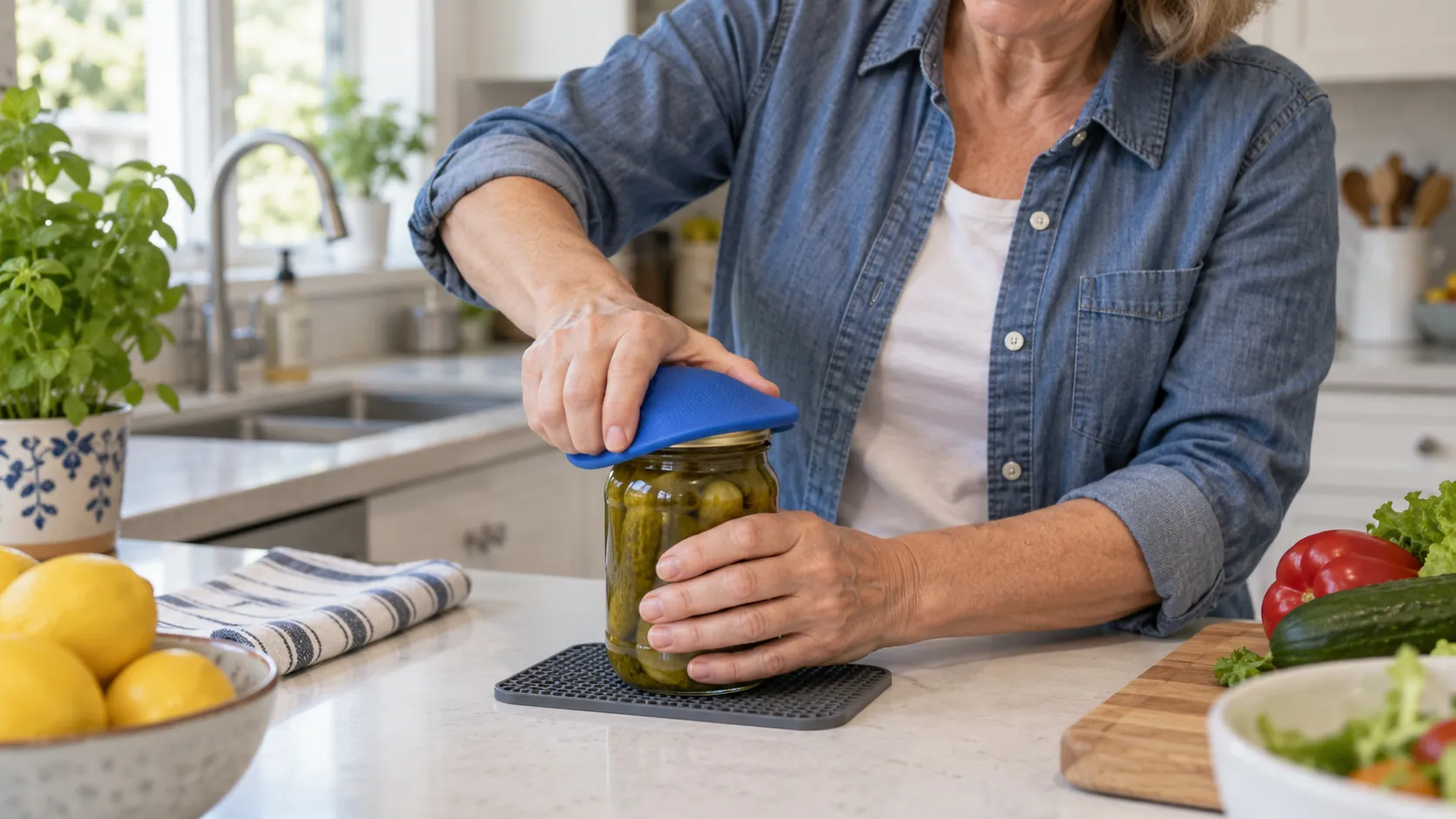
A stubborn jar lid can turn a minor ache into the main event of making dinner. You change hands, try again and eventually ask someone else to open it. Later, a key, a pen or a phone creates a similar problem. The thumb is involved in so many small tasks that discomfort at its base can feel much more disruptive than the size of the joint suggests.
Managing thumb-base pain in Markham starts with understanding the cause and the particular activities that have become difficult. The goal is to keep useful hand function while reducing avoidable strain. That may involve a different grip, a simple tool, an exercise programme or medical treatment, depending on the assessment. It does not mean wrapping the hand up indefinitely or deciding that every painful task must be abandoned.
Pain at the base of the thumb is a location, not a diagnosis
The carpometacarpal joint sits where the thumb meets the wrist and helps the thumb move around objects. Osteoarthritis in this joint can cause pain with pinching, gripping and twisting, but other problems can produce nearby symptoms. The AAOS guide to thumb arthritis describes the condition and how it is assessed.
When you seek help, point to the painful spot and describe the task that brings it on. Pain near the wrist crease, discomfort along a tendon and numbness in the fingers are different experiences. They may overlap, but they should not automatically be given the same explanation. Tell the clinician whether the problem followed an injury or developed gradually.
Also distinguish pain from loss of sensation or sudden weakness. If objects slip because you cannot feel them, that is important information. Our article on hand tingling and carpal tunnel symptoms discusses a different pattern that may need a different assessment. Naming the exact difficulty makes the conversation more productive than describing the entire hand as unreliable.
Watch one ordinary task from beginning to end
Choose a task that is both common and troublesome. For a jar, notice where it sits, how you hold it, how tightly you grip and what happens when the lid does not turn. Do you keep increasing force? Do you lift the jar away from the counter? Does one hand do almost all the work? The sequence often reveals a useful place to make a change.
You can apply the same method to turning a key or using scissors. There may be a difficult starting position, a narrow handle or an object that slides away unless you squeeze it firmly. A clinician or hand therapist can help identify an alternative that suits your movement and strength. Demonstrating the task with a safe object can be easier than describing it from memory.
Do not judge the task only by whether you eventually complete it. Consider the effort, the discomfort afterward and whether you could repeat it later. Independence is not simply doing everything without assistance. It can include choosing an efficient method or tool that lets you participate with less difficulty.
Let the counter do some of the holding
Kitchen tasks often require one hand to stabilize an object while the other works. Where safe, a stable surface and a suitable nonslip aid can reduce the need to hold everything in the air. Broader handles and opening aids may also reduce the effort required for some tasks. Kingston and Richmond NHS guidance includes practical adaptations for thumb-base symptoms.
Start with the task that matters most to your routine. If you open a particular container every morning, a useful solution there may have more value than a drawer full of gadgets used once. Check that the tool is easy to clean, store and operate with the hand you actually need to use. A device that requires a forceful setup step may simply move the difficulty elsewhere.
For hot or sharp items, prioritize secure handling. Do not improvise a new grip on a full kettle or a knife while the hand is painful and uncertain. Practise any change with a safe, light object first, and ask for help when needed. Reducing thumb effort should never depend on accepting a greater risk of dropping or spilling something dangerous.
Smaller loads can make the same job more manageable
Think about the amount you carry as well as the way you hold it. A full container may be convenient, but it is not always necessary for the task. Dividing a job into manageable portions can reduce the demand of each lift. When appropriate, supporting an object with both hands distributes the work differently from suspending it by a small handle. South Tees Hospitals’ patient information discusses similar joint-protection approaches.
An illustrative example is bringing groceries into the house. One heavily loaded bag with narrow handles may be difficult even when each individual purchase is easy to handle. Repacking before carrying, using a suitable cart or asking someone to handle the awkward items changes the task without changing the shopping list.
Be realistic about the route. A cart that works well on a smooth level surface may not suit entrance steps. A lighter bag is useful only if it can be carried securely. The best adaptation considers the entire journey from pickup to putting the item down, including doors, keys and the final storage location.
A splint should solve a defined problem
A clinician may recommend a thumb support for selected activities or periods of rest. The design and fit should match the joint and task being addressed. A support for thumb-base symptoms is not necessarily the same as a wrist brace or a device intended for another injury. The AAOS thumb arthritis resource includes splinting among nonsurgical options.
Before buying, ask what you should be able to do while wearing it. Should the fingers remain free? Is it intended for a specific task, at night or during a flare? How will you know whether it is helping? Clear answers prevent a short trial from becoming continuous use simply because you are unsure when to take it off.
Check skin comfort and function as well as pain. If the support causes pressure, new tingling or difficulty handling objects safely, arrange a fit review. Bring it to follow-up rather than describing it as a brace that did not work. Seeing the device on your hand can help the clinician distinguish a fit problem from an unsuitable treatment choice.
Keep hobbies in the plan
Gardening, knitting, music, gaming and craft work can be important sources of enjoyment. They also involve very different hand demands. A useful plan asks what part of the hobby is difficult and which parts remain comfortable, rather than placing the whole activity in a single category of things to avoid.
For a craft project, the demanding step might be cutting rather than assembly. For gardening, it might be repeated squeezing of a tool rather than planting. Organizing the sequence, sharing one step or trying a permitted tool change may help preserve participation. These are practical experiments to discuss, not promises that one adaptation will suit every condition.
Set a manageable trial and review it afterward. Note how the hand feels later, whether the task remains enjoyable and whether the adjustment is easy to repeat. If the setup becomes so elaborate that you stop doing the activity altogether, bring that problem to the clinician too. The plan should support your life, not consume all of the time set aside for it.
Exercise should be more specific than squeezing something hard
Hand rehabilitation may address comfortable movement, control and strength. The right starting point depends on the diagnosis and the way the thumb behaves. Repeated maximal gripping is not a universal treatment for a painful hand. Kingston and Richmond’s patient leaflet illustrates why thumb position and gradual progression matter.
Ask the treating professional to watch the exercise you will perform at home. Clarify the intended movement, the amount and the response that should lead you to stop or adjust. If you are unsure whether the thumb is moving as intended, request another demonstration rather than adding resistance to an uncertain technique.
Fit the exercise into a time when you can pay attention. Doing it absent-mindedly through a long television programme may produce far more repetitions than prescribed. Keep the instructions accessible and record any difficulty. A short, clearly understood routine is easier to evaluate than a mixture of exercises gathered from several unrelated sources.
Know which changes need assessment
Seek prompt care after a significant injury, especially if the thumb changes shape, cannot move normally or cannot hold objects. Severe pain, loss of sensation, marked colour change or a hot swollen area with fever also needs medical assessment. Persistent symptoms that interfere with everyday tasks deserve review even when there was no obvious injury. The NHS thumb pain guidance outlines these situations.
For a non-urgent appointment, bring a list of the three most difficult tasks and any equipment you have tried. Include relevant medical conditions, medicines and previous hand injuries. If several joints are swollen or morning stiffness is prolonged, mention the wider pattern rather than focusing only on the most painful thumb.
Ask what the examination suggests and what remains uncertain. If imaging or referral is recommended, find out what question it is intended to answer. Understanding that purpose makes it easier to evaluate the next step and avoids assuming that a visible change on an image is the only thing that matters for function.
Define improvement in terms of the day you want back
Choose an outcome that has personal value: preparing breakfast with fewer interruptions, using a key comfortably or returning to a favourite craft for a manageable session. These goals provide a clearer review than repeatedly testing how hard you can pinch. They also keep attention on what the hand allows you to do.
For thumb-base pain in Markham, progress often involves a combination of understanding the problem and making everyday tasks more workable. If the pattern is persistent or worsening, contact Prime Spine to discuss an appropriate assessment and whether hand therapy or medical evaluation may be needed. Bring the troublesome task into the conversation; it is often the most useful place to start.
This article offers general education. Individual symptoms require assessment before choosing a diagnosis, splint or exercise programme.