
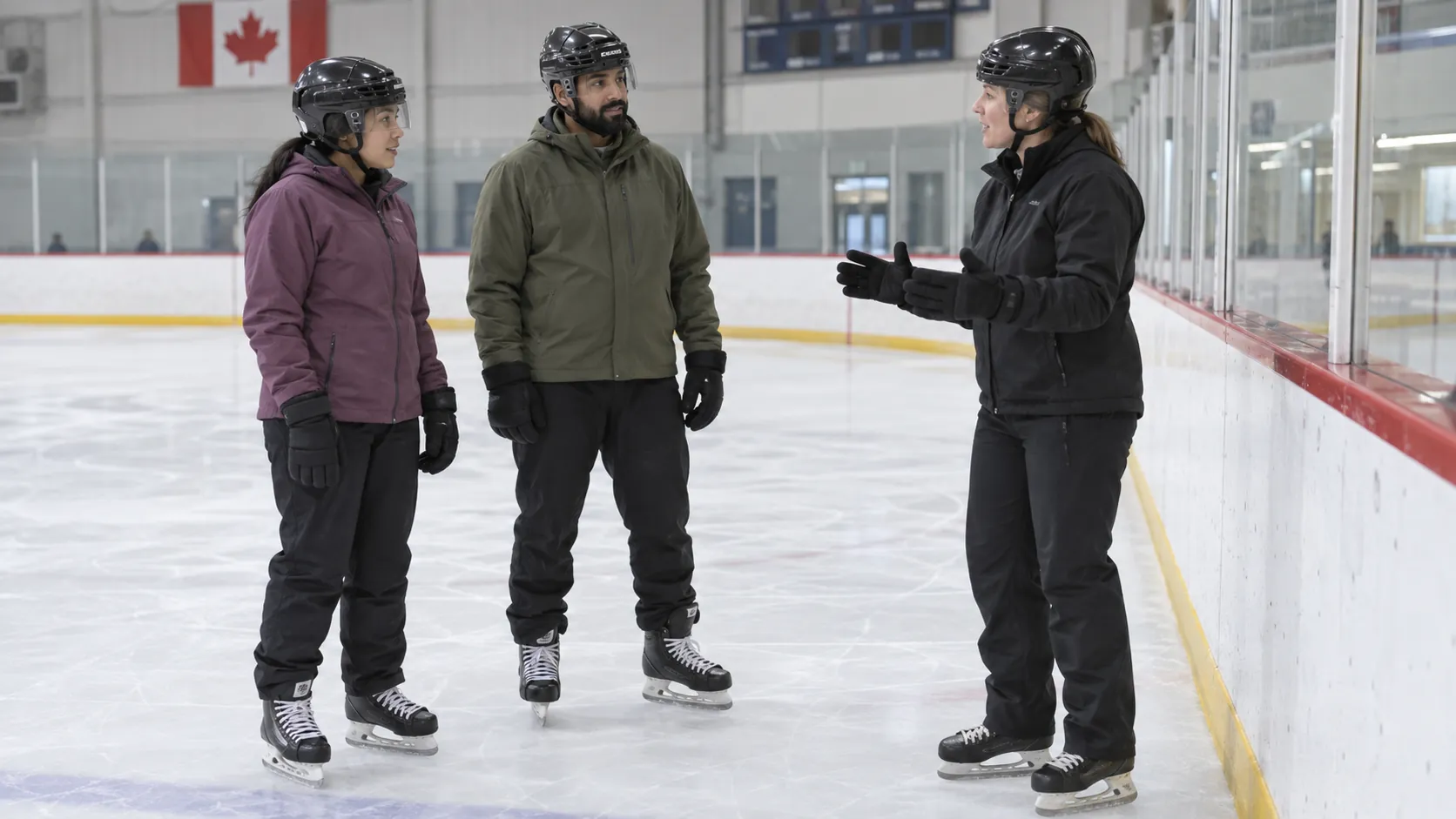
The first step onto the ice can feel familiar and unfamiliar at the same time. You may remember skating as a child, yet feel uncertain about stopping, turning, or moving through a busy public session now. A friend may suggest that it will all come back immediately. Some skills may feel familiar, but you do not have to test that prediction during the busiest hour at the rink.
Recreational skating in Markham offers several ways to participate, from lessons to public sessions. Choosing the right setting is part of preparation. So are equipment, time to get ready, and a plan for finishing before the outing becomes more demanding than intended. A successful return can be a short, enjoyable session that leaves you willing to come back and learn more.
Choose the session before choosing the skates
Start by deciding what you need from the outing. If you want instruction in basic control and stopping, look for a lesson suited to your level. If you already have the necessary skills and want casual practice, a public session may fit. These formats serve different purposes. An open skate should not be assumed to include individual coaching or space reserved for learning a particular skill.
Check the City of Markham’s public skating, lessons, and hockey information for current options and rules. The city distinguishes recreational skating from other ice activities and does not permit private coaching during public recreational sessions. Confirm the specific listing, age requirements, access arrangements, and equipment rules before leaving home. Avoid relying on a schedule remembered from a previous winter.
When contacting a lesson provider, describe your experience honestly. Say whether you can stop independently, move around others, and get on and off the ice confidently. You do not need to label yourself a complete beginner or an experienced skater if neither description fits. Concrete information helps the provider suggest a suitable starting level and explain what support is available.
Make adult learning feel ordinary
Adults sometimes hesitate to take lessons because they expect the group to consist entirely of children or assume they should already know the basics. Skate Canada describes programming for adults at different ages and skill levels on its adult skating page. Ask a local provider about the actual group and teaching format rather than ruling out instruction based on an assumption.
Before the first class, ask what the instructor expects you to bring and how the session begins. Find out where to meet, when to arrive, and whether rental equipment is available. Knowing those details can remove the rush of searching for a room or trying to fit unfamiliar equipment while the lesson is already starting. It also leaves time to tell the instructor about any relevant limitation.
Set a learning goal you can recognize. It might be understanding how the session works, becoming more comfortable moving in the designated area, or practising a skill with instruction. Avoid making the first outing a comparison with a friend who skates regularly. Their speed or confidence is not the standard you need to meet to make your own session worthwhile.
Check protective equipment and fit
Use a properly fitted, fastened hockey helmet appropriate to the program’s requirements. Skate Canada’s helmet use policy requires CSA-approved hockey helmets for CanSkate and Adult CanSkate participants through Stage 5 and describes requirements for skaters lacking certain control skills in its programs. Markham also recommends CSA-approved hockey helmets for recreational skating. Check the rules for the session you are attending; requirements can differ by activity.
Ask a knowledgeable equipment provider to help with helmet and skate fit if you are uncertain. Do not assume a helmet is suitable simply because it was already in the household, and do not borrow damaged equipment. Explain any fit problem before going onto the ice. A pressure point, unstable fit, or fastening you cannot manage deserves attention during preparation rather than after you have begun skating.
Bring gloves and clothing that lets you move without loose items trailing. Consider how you will adjust layers during a break. Keep personal belongings stored where the facility directs, and avoid carrying unnecessary items onto the ice. The objective is an arrangement you can manage comfortably while following the rink’s rules, not a complicated collection of accessories for a first lesson.
Include the time off the ice
An outing involves more than the minutes spent skating. You need to travel, carry equipment, change, move through the building, and change again afterward. Plan enough time for those steps. If bending to lace skates is difficult, ask about available assistance or equipment options in advance rather than discovering the problem when you are already late for the session.
Use designated seating for getting ready and keep the surrounding walkway clear. Put footwear and belongings where they will not become an obstacle for another person. Ask staff where skate guards are used or removed and which routes are intended for skaters. A familiar building can still have specific arrangements that matter when you are wearing skates instead of ordinary shoes.
If you are going with family, decide who is responsible for which tasks. A parent returning to skating may not also be ready to provide all the support a young child needs on the ice. Arrange suitable supervision and instruction rather than expecting one uncertain skater to manage several people at once. A realistic plan can make the outing more enjoyable for everyone involved.
Let the instructor guide the first movements
Use qualified instruction to learn basic movement, stopping, and how to manage a fall. Written descriptions cannot replace someone observing your control and the conditions around you. Tell the instructor if a movement feels beyond your current ability or if you have a relevant medical restriction. Ask for an appropriate progression instead of copying the fastest person in the group.
If you have a recent injury, ongoing balance difficulty, or a health condition that affects participation, discuss skating with the appropriate healthcare professional before returning. Describe the intended setting and your current experience. A general statement that you are active does not explain the particular demands of skating. Bring any restrictions into the conversation with the instructor so the session can be planned appropriately.
Avoid letting a friend pull you rapidly across the ice to help you learn. Ask the instructor or rink staff about permitted assistance and approved skating aids. Equipment or techniques that seem helpful can create problems if they are unsuitable for the setting. Learning should proceed in a way that gives you a chance to understand and control the movement.
Share the ice deliberately
Observe the direction of travel, give other skaters space, and follow staff instructions. Keep entry and exit areas clear. If you need to stop, use an appropriate location and communicate with the people around you. Markham’s published rules address shared use of the ice and restrict activities such as chase games during recreational sessions. Check the full rules for your chosen session rather than treating a public rink as an empty practice area.
Put photographs and messages on hold while skating. If you want a picture, arrange it from a permitted place without distracting someone who is learning or blocking others. An outing does not need to be documented in the middle of every activity. Paying attention to the space and the people around you is more useful than trying to capture the exact moment of your first successful circuit.
If the session is too crowded for your current comfort or control, it is reasonable to leave and choose another option. The time and effort spent getting there do not require you to continue in an unsuitable setting. Ask staff or the program provider about a better match, such as a different lesson or a session intended for a slower pace.
Plan an ending that leaves something for next time
Decide in advance that the first session can be shorter than the full booking. Check how breaks work and where you can sit off the ice. You do not need to wait until you are exhausted or uncomfortable before pausing. If the instructor recommends a different amount of participation, use that advice to refine the plan.
Consider a hypothetical returning skater who attends with two experienced friends. They might agree to skate for a manageable period, take a break, and leave independently if needed. The friends can continue without turning the decision into a debate. Making that arrangement beforehand can reduce the social pressure to stay on the ice for one more lap when the outing has already served its purpose.
Afterward, note what the session asked of you and how the rest of the day went. If you change the next outing, make one clear adjustment, such as choosing a lesson or allowing more preparation time. Increasing duration, difficulty, and frequency together makes the experience harder to evaluate. Consistent participation at a suitable level can be a more useful early goal than a rapid jump in workload.
Respond to a fall with appropriate help
If someone is injured, alert rink staff and make space for assistance. Do not move a person unnecessarily when a serious injury is suspected. Severe pain, visible deformity, inability to bear weight, or new numbness needs prompt medical assessment. A head impact followed by possible concussion symptoms means stopping participation and obtaining medical advice, even if the person wants to finish the session.
Returning after an injury should involve the professional directing your care, with skating-specific demands included in the plan. For persistent movement concerns, contact Prime Spine in Markham to discuss assessment and appropriate rehabilitation or referral. The aim is to support a return that fits your condition and experience, so skating can become an enjoyable activity you choose to repeat.